How to Develop Trauma-Informed Policies

This series is a collaborative partnership by Mairin Barnabe and Chavisa Horemans that emerged from a synergetic discussion about the avoidable issues we’ve respectively seen occur in HR in the last few years. We are sharing our insights as a trauma-informed Coach, Consultant and Educator and Investigator to help improve workplace relations across sectors.
If you would like to contribute to the narrative or have a blog idea, or if you would like individualized coaching or investigative services, please reach out to us at info@illuminateconsulting.ca or themothercorp@proton.me
How to Develop Trauma-Informed Policies
Internal policies lay the groundwork for organizational expectations of how employees work. When policies are implemented in a conscientious way, particularly trauma-informed policies, they can safeguard. When aberrations occur, they can produce substantial workplace issues, including Human Rights and legal issues that are timely and costly.
Attentiveness to how people communicate, that incorporates fundamental trauma-informed approaches, creates a safe environment where workers can recover and thrive. Creating policies, procedures, and training that ensures all employees have access to safe and transparent processes, can build trust, foster empowerment, and help prevent re-traumatization. Trauma-informed practices create goodwill and engagement. They strengthen workers and workplace relationships and commitments.
Given that more employees are sharing new or ongoing dimensions of their lives—especially health and safety issues—the need for conscientious thoughtful implementation of trauma-informed approaches within organizational processes is more vital than ever.
The Takeaway
By creating conscientious, safe, and transparent policies, procedures, and training, organizations can reduce harm (for their workers and the organization itself) and support healthier outcomes. When leaders and teams work together considerately, trauma-informed practices can guide interactions and the entire workplace benefits.
Would you like support with problem-solving an HR issue? Contact Chavisa and Mairin.
November 25 to December 10, 2025, marks the 16 Days of Activism to End Gender-based Violence under the theme: “UNiTE to End Digital Violence against All Women and Girls”. What are you prepared to do to help end gender-based violence?
.
.
.
#DisabilityInclusion #TraumaInformedWorkplace #HRInsights #HealthChallenges #GenderBasedViolenceEducation #ConfidentialityMatters #HealthImpactsWorkplaces #TraumaInformedLeadership
ABOUT THE WRITERS
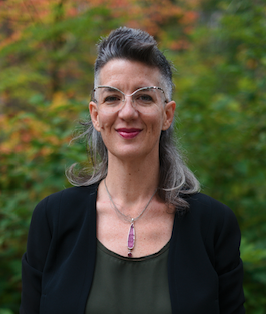
Chavisa Horemans, The Mother Corp 
Mairin Barnabe
Chavisa Horemans, MES, CDC, CTRC, is a Trauma-Informed Coach, Consultant and Educator.
Chavisa works with professionals, leading holistic, evidence-based trauma-informed workshops and training to create stronger workforces. Her specialty topics include Trauma-Informed Workplaces, Holistic Trauma Recovery, Red Flags, Gender-Based Violence, and High-Conflict Divorce.
When she’s not helping professionals gain the skills to look after themselves, their clients, and their workforce, she works virtually with individuals. Drawing from both professional training and lived expertise, Chavisa serves as a Divorce, Coparenting, and Chronic Health Coach who empowers individuals through major life transitions. She compassionately and effectively supports clients navigating separation, divorce, coparenting, burnout, and chronic health issues, specializing in high-conflict disputes.
Learn more at www.themothercorp.com
Mairin Barnabe, MHRM, LLM (Candidate), is an Employment Relationship Specialist, Workplace Investigator, and Educator.
With over 25 years of labour and human resources experience, Mairin helps organizations and individuals navigate complex workplace challenges with fairness, integrity, and empathy. Through her consulting practice, Illuminate Consulting & Investigation Services, she provides investigation services, labour relations support, and compliance guidance to help build respectful, legally sound, and psychologically safe workplaces.
Mairin’s work bridges the gap between legislation, policy, collective agreements, and human experience. She’s passionate about education and believes that empowering leaders and employees with knowledge creates lasting organizational change.
Learn more at www.illuminateconsulting.ca

Comments